
Category: Artificial Intelligence
-
DeepSeek Harness: Inside the Open-Source Agent Runtime
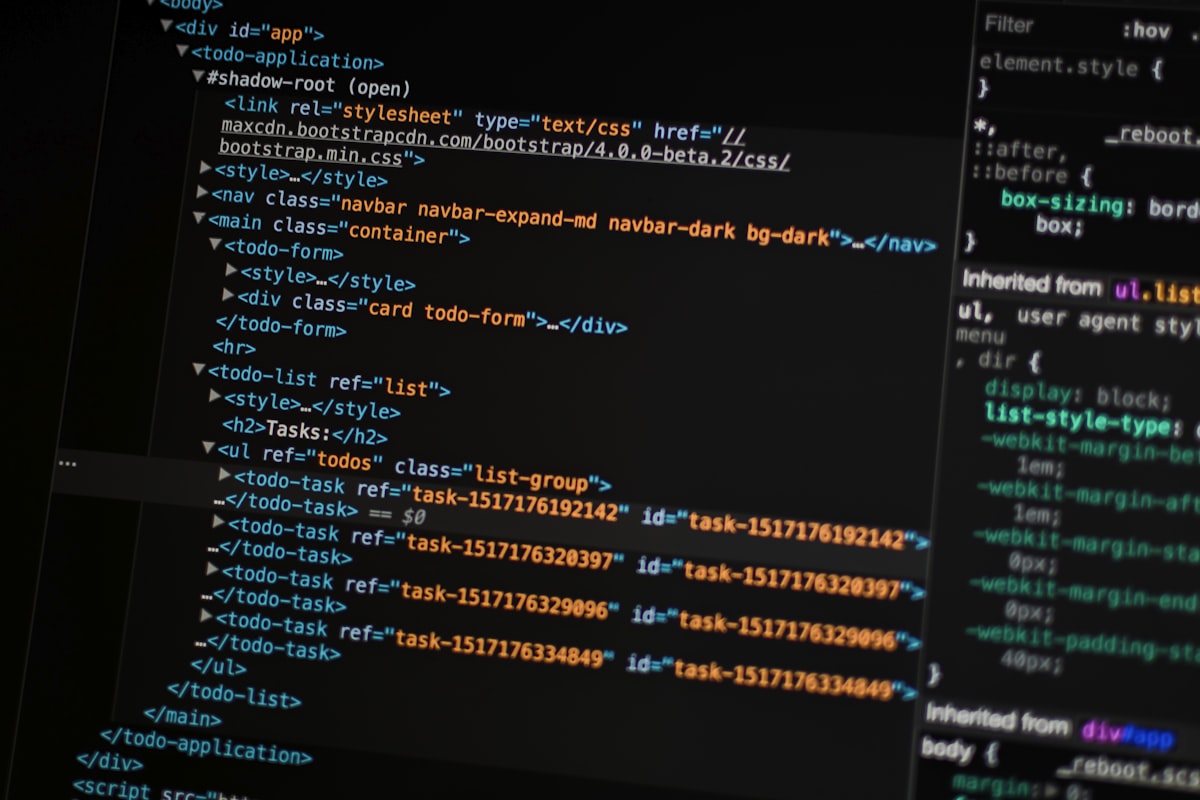
On August 13, 2026, DeepSeek open-sourced DeepSeek Harness (dsh) as a developer preview under the MIT license, the same day its DeepSeek-V4-Pro (build 0813) model went generally available across DeepSeek’s app, web, and API (DeepSeek, TechTimes). Instead of a monolithic agent platform, dsh runs on a micro-kernel called Cordis, where the model adapter, tool registry,…
-
Agent Sprawl: Why Only 13% of Enterprises Have AI Governance
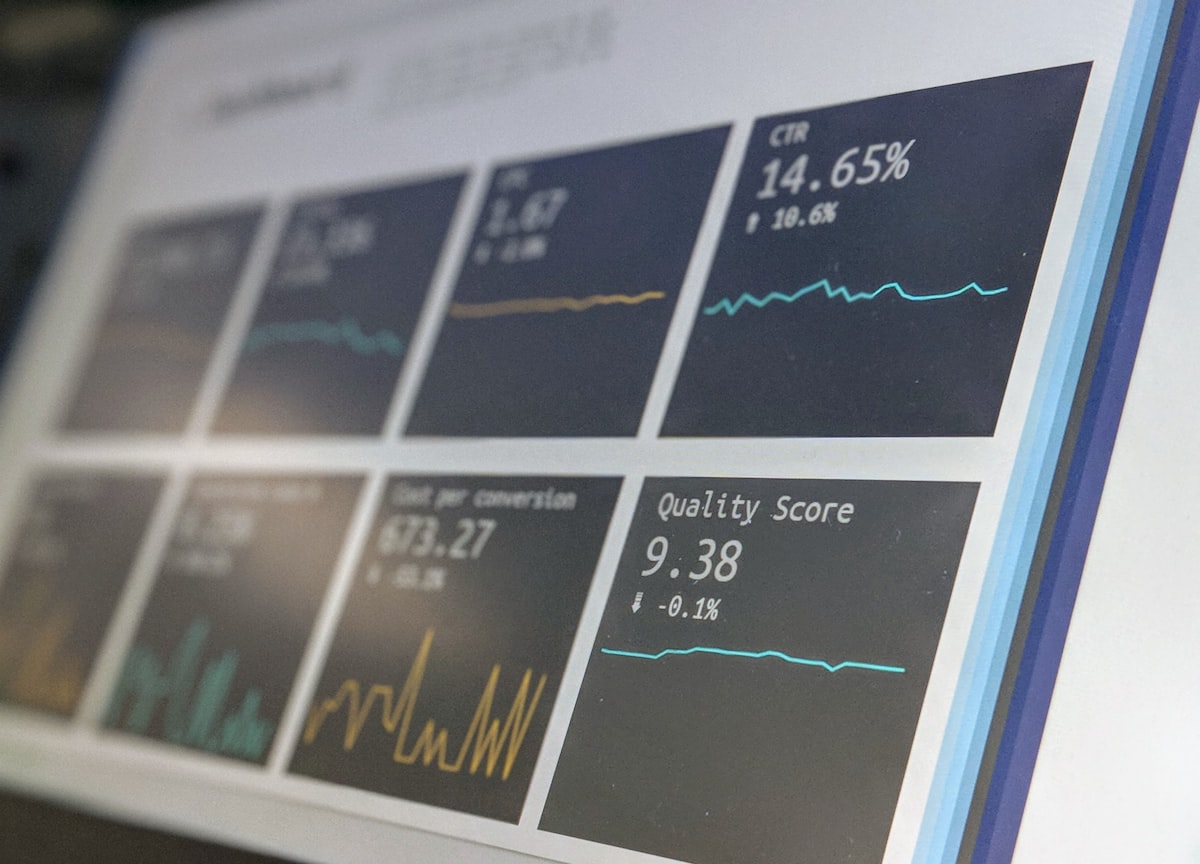
Your engineering teams shipped fifteen AI agents last year. By 2028, that number hits 150,000, according to Gartner. Most IT leaders will not see it coming as one big decision. It arrives as a thousand small ones: a support agent here, a data-pull script there, an “experiment” that quietly becomes production infrastructure. The problem is…
-
The $401 Billion Problem: Enterprise GPU Utilization in 2026
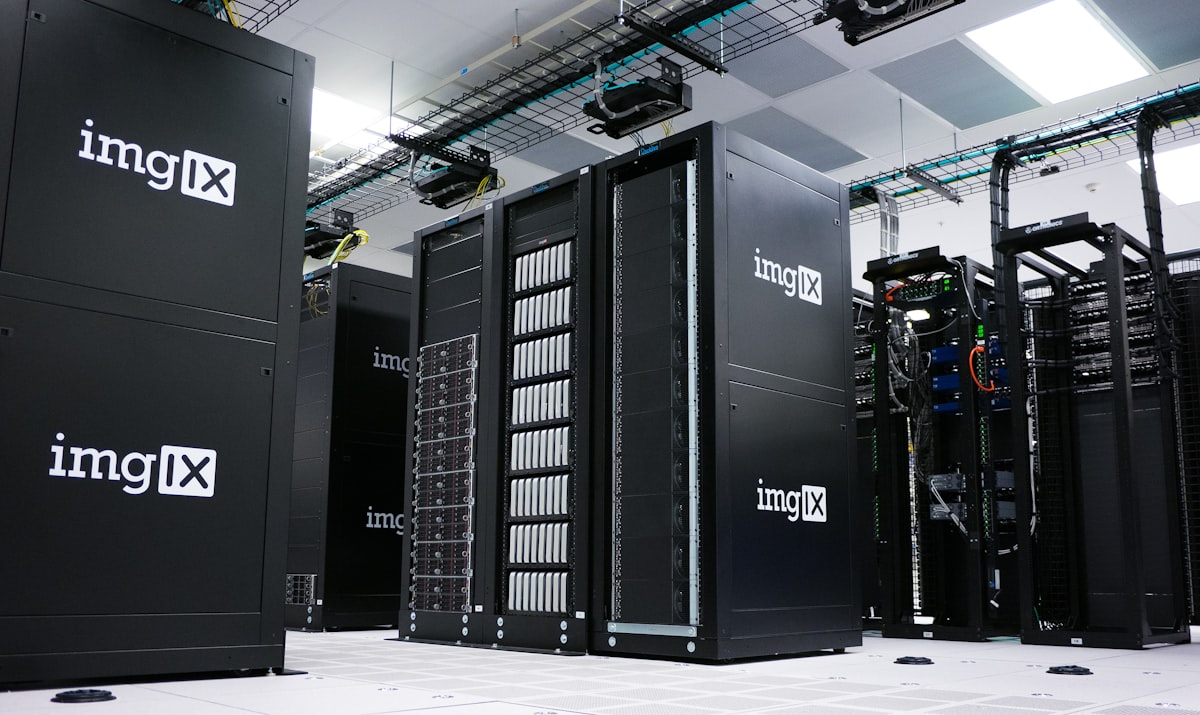
Here’s a number that should stop any IT budget conversation cold: enterprise GPU fleets are running at roughly 5% average utilization, while Gartner projects $401 billion in new AI infrastructure spending for 2026 alone. Meanwhile OpenAI just raised its own infrastructure commitment to $750 billion through 2030. Those two facts sitting next to each other…
-
Your AI Does Not Understand What “Available” Means
Why large companies need an ontology before deploying AI agents Large companies are different from medium-sized and small companies, and not simply because of their size. In a small company, senior executives are deeply involved in operations. They know the customers, approve exceptions, solve delivery problems and often understand why each process works the way…
-

Inside Meta’s Muse Code: Multi-Agent Coding at Enterprise Scale
Meta launched Muse Code in beta on August 5, 2026 — a terminal-based coding agent powered by its new Muse Spark 1.2 model, aimed directly at OpenAI Codex and Anthropic Claude Code. The headline architecture is multi-agent orchestration: large tasks get fanned out to parallel sub-agents working in isolated Git worktrees, so the developer’s working…