
Author: Rodrigo Gardin
-
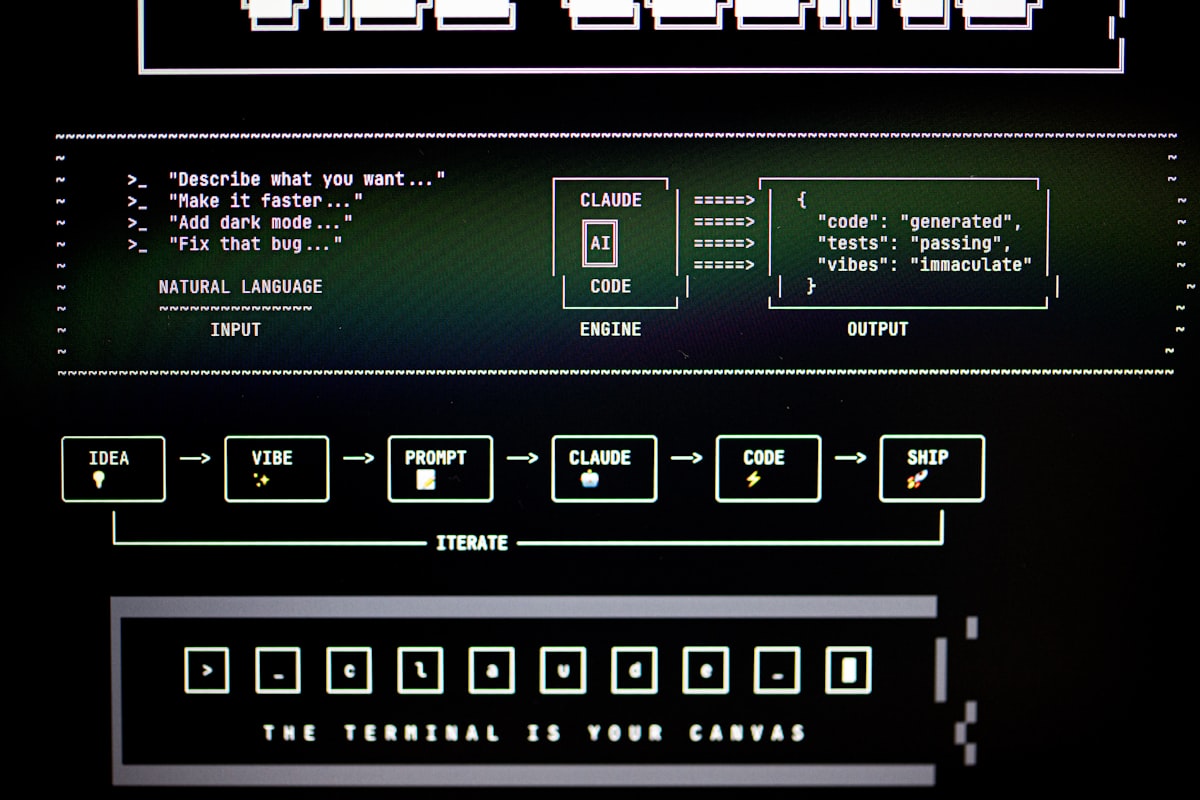
Agentic Coding in 2026: How AI Tools Are Reshaping the Software Engineering Workflow
Something shifted in software development between 2024 and 2026 that doesn’t show up in the adoption statistics. The headline number — 84% of developers now use or plan to use AI tools, up from 44% in 2023 — makes this look like a steady linear climb. It isn’t. The nature of what developers are doing…
-

Money 20/20 2025: The fintech inflection point between hype and execution
by
in InsightLas Vegas hosted more than 11,000 financial industry professionals from 85 countries at Money 20/20 this October. Still, this year’s conference revealed something different from previous editions — a shift from innovation theater to enterprise-scale execution.The event’s main focus wasn’t on questions like “What can AI do?” or “Will crypto work?”. Instead, executives and product…
-

How to scale lending with a credit operations platform built for control
by
in InsightRising delinquencies, cost pressures, and stricter regulations have forced financial institutions to rethink their operations at scale. However, expanding lending without redesigning the operational foundation often leads to fragmentation. Adding tools or people may solve short-term problems. However, long-term efficiency depends on a unified credit operations platform that provides consistency, visibility, and control throughout the…
-

Compliance in financial services and the new era of security and automation
by
in InsightsIn today’s hyper-connected financial ecosystem, compliance in financial services involves creating robust protections while maintaining the agility to drive innovation. With an increasingly complex regulatory landscape, the stakes are higher than ever, and the costs of making mistakes continue to rise.Financial institutions now allocate up to 25% of their annual revenue to compliance — a…
-
Why payment infrastructure starts with orchestration
by
in InsightThe way we handle payments has changed so quickly that the banking infrastructure couldn’t keep up at the same pace. What used to be enough to run a solid operation has now become a tangled web of integrations, specific rules, and hard-to-maintain dependencies.In this scenario, payment orchestration is becoming an essential layer of payment infrastructure,…